
Typeface AI Review: Enterprise Content Orchestration at Scale
Enterprise marketing teams know the drill: Q4 launches require 50+ content variants across a dozen channels, six regional markets, three legal jurisdictions, and a brand guideline PDF that nobody has time to read. The current stack ChatGPT for copy, freelancers for execution, Google Drive for asset management, and Slack for approvals—creates chaos, not velocity.
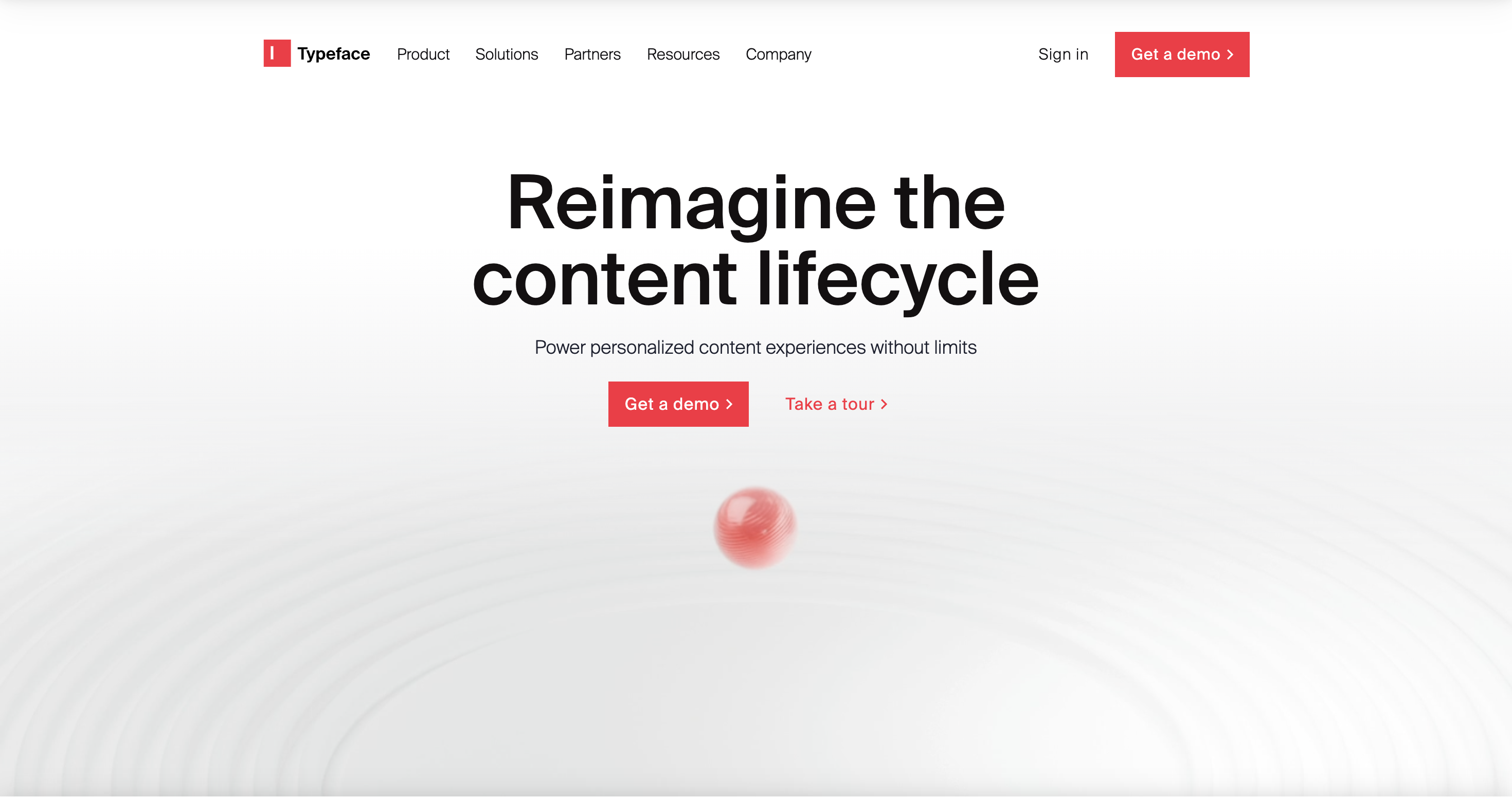
Typeface AI aims to replace this disarray with a unified content operating system. Founded in 2022 by former Adobe CTO Abhay Parasnis and valued at over $1 billion, the platform targets Fortune 500 marketing teams drowning in localization demands and brand governance overhead.
What It Actually Does
Typeface is not a writing assistant. It is a multimodal content engine built on three pillars:
- Brand Hub: A centralized repository for voice guidelines, legal disclaimers, visual standards, and historical campaign assets. The system treats these as guardrails, not suggestions—if your brand bible prohibits exclamation points in B2B content, Typeface literally will not generate them.
- Blend Technology: Proprietary training that ingests your existing assets rather than relying on generic internet data. Output matches your specific linguistic patterns, visual identity, and regulatory requirements rather than defaulting to "marketing speak."
- Arc Agents: Specialized AI agents handle distinct workflow phases: Ideation (campaign concepts based on brand history), Creative (text, image, and video generation with integrated models like Gemini), Workflow (automated routing through legal/compliance layers), and Performance (analytics feedback loops).
In Practice
Input: "Launch EcoBottle Pro targeting sustainability-conscious millennials across US, UK, and Germany. Emphasize leak-proof design and ocean plastic removal. Avoid 'disrupt' and 'game-changing.' German market requires technical specifications, not emotional appeals."
Output: The platform generates channel-specific assets simultaneously—punchy Instagram carousels for the US, understated copy for UK audiences, and specification-heavy German landing pages with compliance disclaimers—while routing each variant through appropriate approval workflows. Process time: approximately 20 minutes versus the traditional two-week cycle.
Where It Excels
- Governance at Scale: The only major platform that enforces brand rules algorithmically rather than flagging violations post-creation. Critical for regulated industries (finance, healthcare) and global brands with strict localization requirements.
- Multimodal Coherence: Text, image, and video generation share a unified brief, eliminating the common AI problem of visual/copy mismatches.
- Enterprise Integration: Native connections to Salesforce, Google Workspace, Microsoft 365, and major DAM systems. Designed to augment existing tech stacks rather than create new silos.
Where It Falls Short
- Enterprise-Only Pricing: The "Team" tier ($49/user/month) is essentially a limited trial. Full Arc functionality requires custom enterprise contracts reportedly starting in low six figures annually. This is not startup territory.
- Implementation Overhead: Three-month deployment cycles are standard. Teams must upload assets, train the voice model, and configure approval workflows before seeing value.
- Creative Limitations: Excellent for consistent, on-brand execution; poor for avant-garde or experimental campaigns. Heavy reliance on automation risks content homogenization.
Security and Compliance
Typeface maintains SOC 2 Type II and GDPR compliance. The platform guarantees IP ownership of generated assets and isolates client data—your prompts do not train public models. However, organizations must still trust a third-party vendor with potentially sensitive brand strategy documents and customer segmentation data.
The Verdict
Typeface AI represents a category shift from "AI as writing tool" to "AI as marketing infrastructure." It eliminates the administrative tax of version control, compliance checking, and localization that consumes 60% of enterprise creative teams' time.
Buy if: You manage global content operations at scale (500+ employees), spend six figures annually on agencies for repetitive production work, or operate in heavily regulated industries requiring bulletproof brand governance.
Skip if: You are a startup, small business, or creative shop prioritizing experimental work over operational efficiency.
Score: 8/10 for enterprise marketing organizations; Not Recommended for teams under 100 employees.